
Strumming the Heart Strings
by Justin Rodriguez

“There’s a need for us to create… a part of us that needs to work, to have forward motion…” said Don Lovato.
In times when rising concerns over socio-political issues begin to surface, therein lies a medium by which we find solace, something we are all too familiar with. Music —as a means of open creative expression— allows us to explore and even escape. Nothing is impossible. We openly prove ourselves as messengers, couriers, and megaphones for all of our beliefs, “likes,” and interests.
Lovato is a San Antonian implant, from Colorado. Growing up as the youngest of five brothers and four sisters he’s constantly looking up, yearning, wanting, and perhaps wishing for a way to be as good—or better— than all of them. Is it really about being better, though? Or is it more about Lovato becoming who he was destined to be? Where does he begin?
In the petite town of Evans, Colorado, a young Lovato begins drawing. He remembers an image of a red cardinal in Life Magazine and continues to dwell on the beauty of it. Lovato sees the bird as a means of motivation, in a quest to further his creative authority.
Lovato vividly recalls staring into the sky one day, exploring his emotions, at the lofty airplanes flying overhead. As he makes a whirring sound, he also remembers his brother, George, who inspires him through his pencil art. When Lovato recalls the red cardinal in the magazine, his inspiration takes flight.
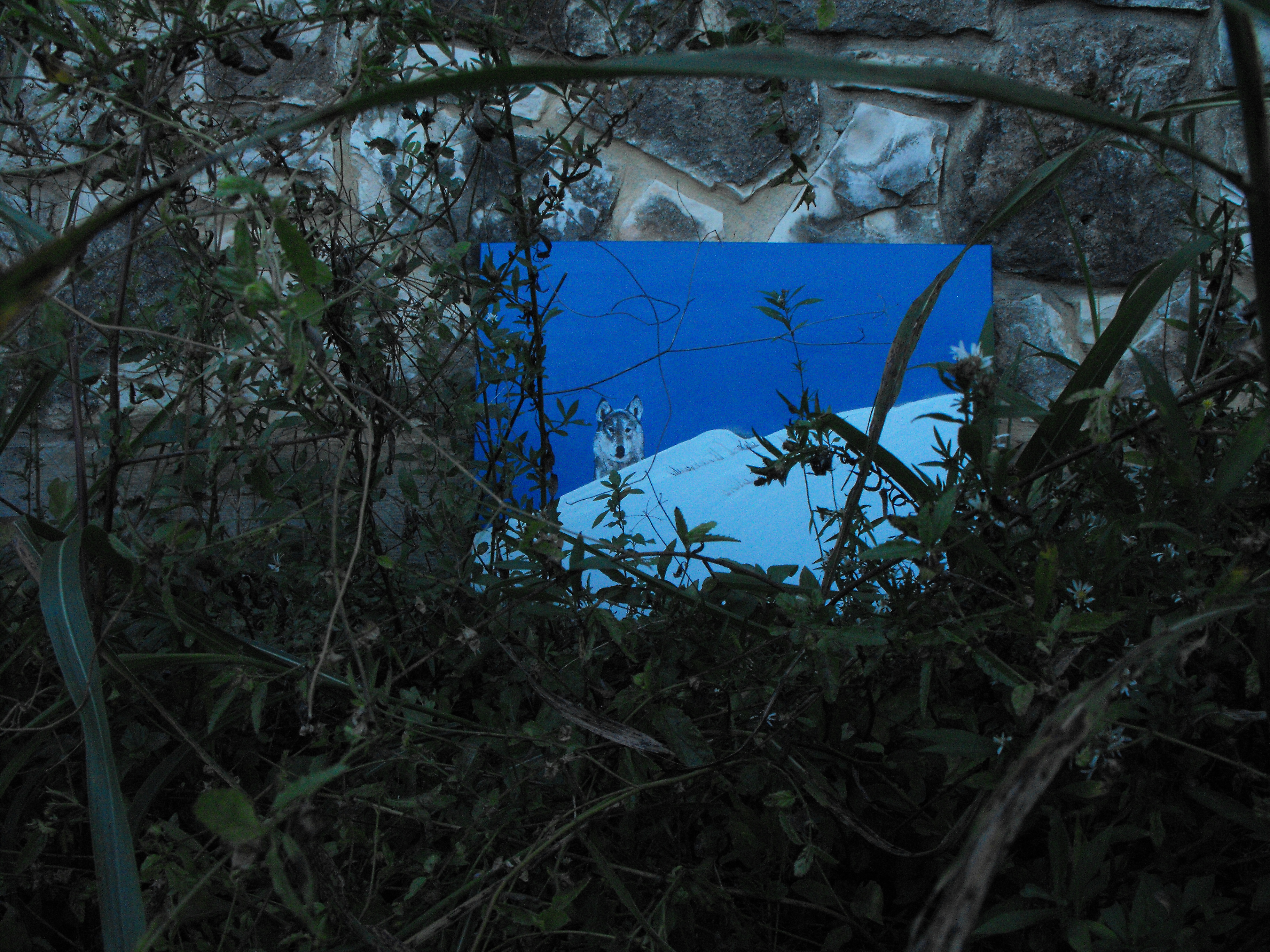
In Greek, “kardia,” and “cor,” in Latin, each mean heart. The word “cardinal” comes from the association between the word, “cross,” or “crux.” Also Latin, “cardo,” from cardinalis, means “hinge.” In ancient Roman, the word took on the meaning of an indicator, typically at a place where the road splits. And in more modern ideology, the cross is recognized as a religious symbol but also represents the four seasons, and the four directions, north, south, east, and west.
Taking into account each of these meanings, one might see the cardinal bird as a call to listen to our “pivoting heart.” Lovato is swayed by the indie and classic rock music George plays while drawing. How fitting that this swiveling door in Lovato’s life, is where he walks through and picks up a Yamaha acoustic for the first time.
With concrete tunes, passionate ideas, and notes from his brother’s joy, Lovato takes steps towards an impending innocence as he creates. Plucking one string at a time, Lovato compartmentalizes harmonic notes and layered compositions. Lovato strikes resemblances to artists like The Beach Boys, Hank Williams, Bob Dylan, Pink Floyd, and James Brown, among other “psychedelic tunes.”
“The seeds were there…they were just waiting to grow into a plant, and the plant was the guitar,” said Lovato, illustrating the foundation upon which he chose to build.
As Don sits with me, sipping an icy, raspberry Italian soda in a Southtown coffee shop on a steamy, sunny day, he comments on Stevie Wonder’s drive. Surely, Wonder made many mistakes along his electrically charged way to stardom. And, as if lifting himself to Wonder’s level, Lovato says he’s been productive too. But it’s the stern, serious tone that you can tell he’s not joking.
An ad in a November 1973 issue of Camera; “A man can make the same mistake for years and call it experience.”
Could it be that an artist holds himself (or herself) in higher regard than his peers? Any art could be the result of blood, sweat, and tears. In fact, what would art be if it did not make the blood run warm, the skin drip sweat, and force wet salty tears from our eyes?
Take, for example, the idea surrounding the light bulb. Thomas Edison lost a patent lawsuit against Joseph Swan and Humphrey Davy, who invented working lightbulbs before Edison. Could it be that Edison only improved upon the light bulb after making many prior mistakes? It’s possible Edison based his own convictions on the perceptions of Swan and Davy. This is a classic case of external stimuli working. Lovato argues all of it contributes to his creative process.
In Lovato’s song, “Clicking Heels,” he directly refers to the sounds two-tone, black and white Stacy Adams shoes make while clicking across the floor. Such pricey shoes were synonymous with the music scene during this time, “you know, gangsters,” says Lovato smirking and narrowing his eyes, “because they were dressed to kill,” he says, emphatically.
Lovato carefully articulates his sounds and when asked about the meaning behind this song in particular, Lovato replied,
The lesson is that, you have to guard your heart… because you never know where the heart can take you…
With a light-hearted tone, Lovato confesses, “…like when you’re with a woman you know she’s the one, but you can’t see past that; it’s like you’re melted together, like a chocolate bar.” More often than not, the lesson is in the message Lovato has, magnified by the notes of his guitar strings.
For the artistic genius, he (or she) must certainly evolve at every possible chance to continuously manifest ideas into reality. How so? Lovato argues it has to be spiritually for each milestone to be achieved. Although his religious connection is one of his biggest foundations for inspiration, Lovato prioritizes morality as a requirement for thoughts to change.
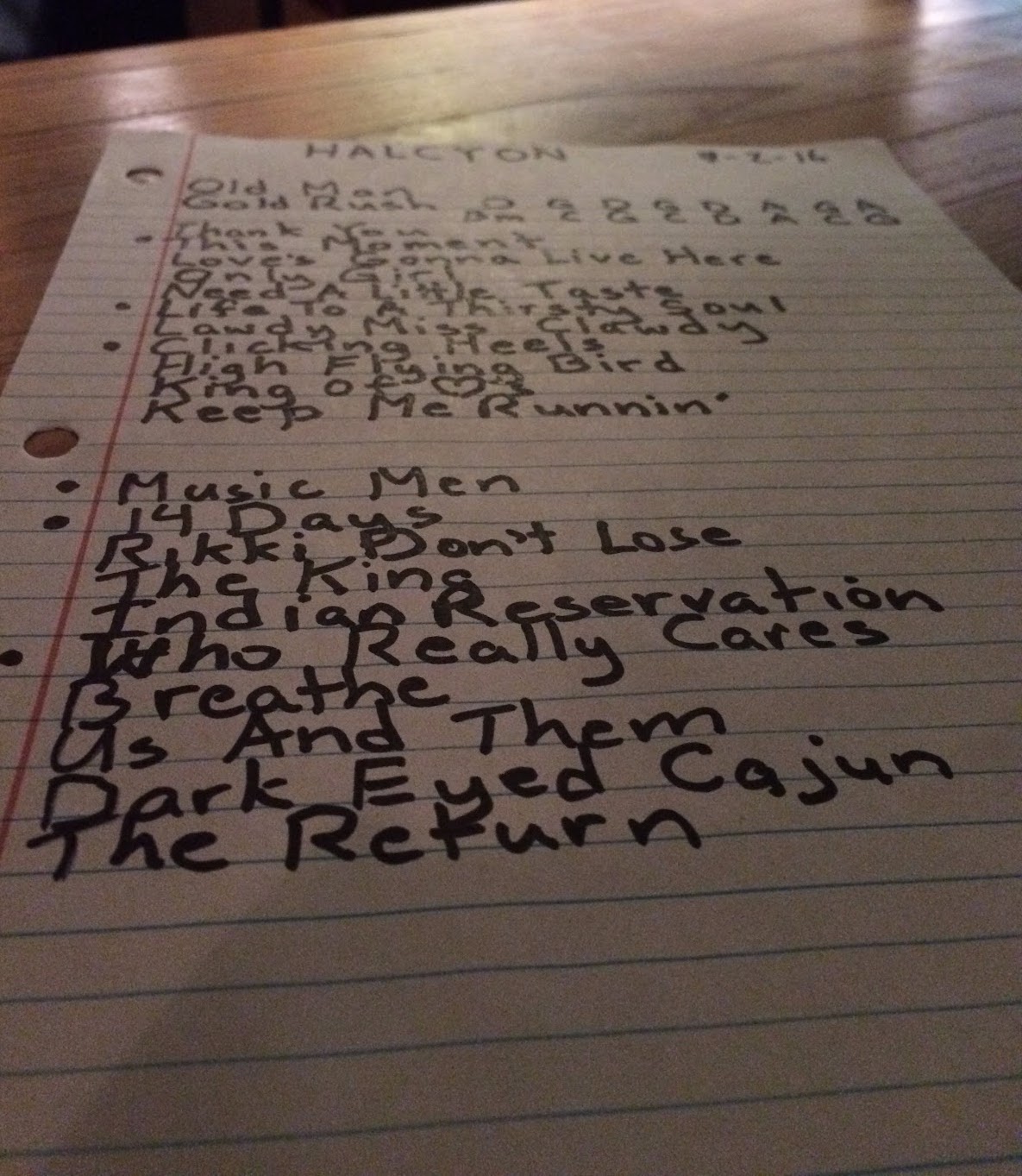
In another song, Lovato tells a story. Eloquently elaborating the scenario of a couple’s separation, the man’s struggle between wife and passion. Fourteen days have passed since the man sees his wife, and he is pinned between his music life on the road, and being at home with his wife.
“I wrote [the song] like, what’s gonna speak to them,” Lovato said. But what about writing songs from places of comfort? What about writing period?
Cesar Cruz, veteran instructor, activist, and author, once said, “art should comfort the disturbed, and disturb the comfortable.”
The question, then, is what does it mean to create from an uncomfortable place? A new sensation? Maybe. An uncertain outcome? Possibly. But it most certainly means a fresh perspective.
“I want to say something that has the elements of a learning lesson.”
-Don Lovato
“The puzzle of life,” according to Lovato, can be confusing, extraordinary, routine, or melancholy, depending on the angle. But Lovato’s unique composition of vibey, almost sonic, “jazzy-esque,” tunes resonate with the rock community as well as the soul.
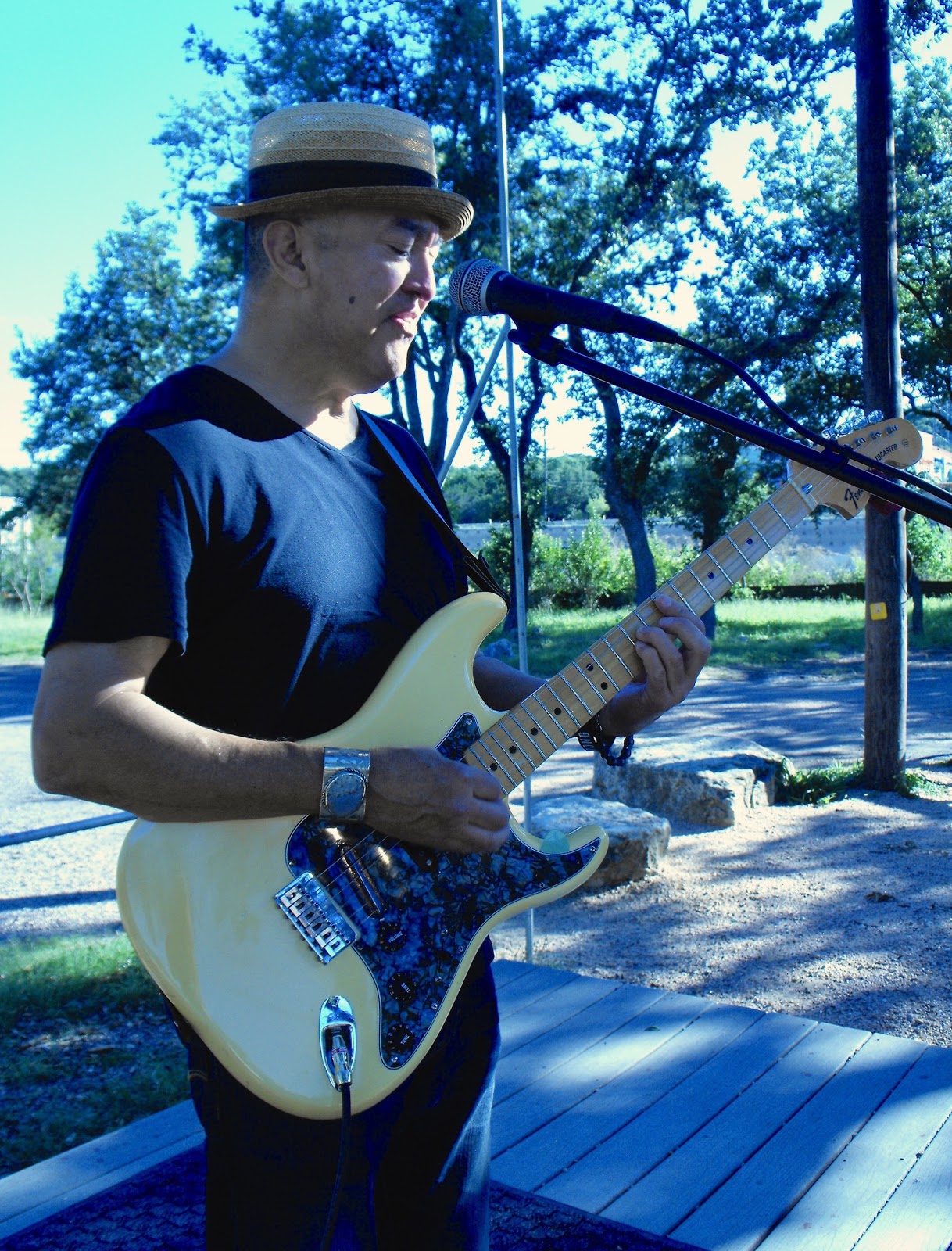
Lovato aspires to form a group after recording more music with what he calls, “the band in a box.” (meaning he often records alone) Yet, he enjoys getting to know people, augmenting his own outlook in the process, and adding to the fun part, he said. Lovato alludes to the mutual emotion, personal connection, and sound which are all intensified in a group setting.
But for now, Lovato prides himself on the individual approach. He records and performs all of his own music (and some personal favorites) in local eateries and hip-swinging bars around San Antonio. For what speaks to Lovato comes as naturally as the wind, honing his thoughts and manifesting vibrant sounds into what many artists revere as masterful.
If artists work only towards their end product, their artwork may be diminished by the definition of what art is “supposed to be,”–lost in transition– instead of perceiving such art for what it is, allowing for open interpretation.
“The only way to get good at something is to do it everyday,” said Lovato, and furthermore, “the labor of love in producing the end product.”
beyondgrassroots.org
 Beyond Grassroots